Is It Too Late to Start Music Lessons in October?
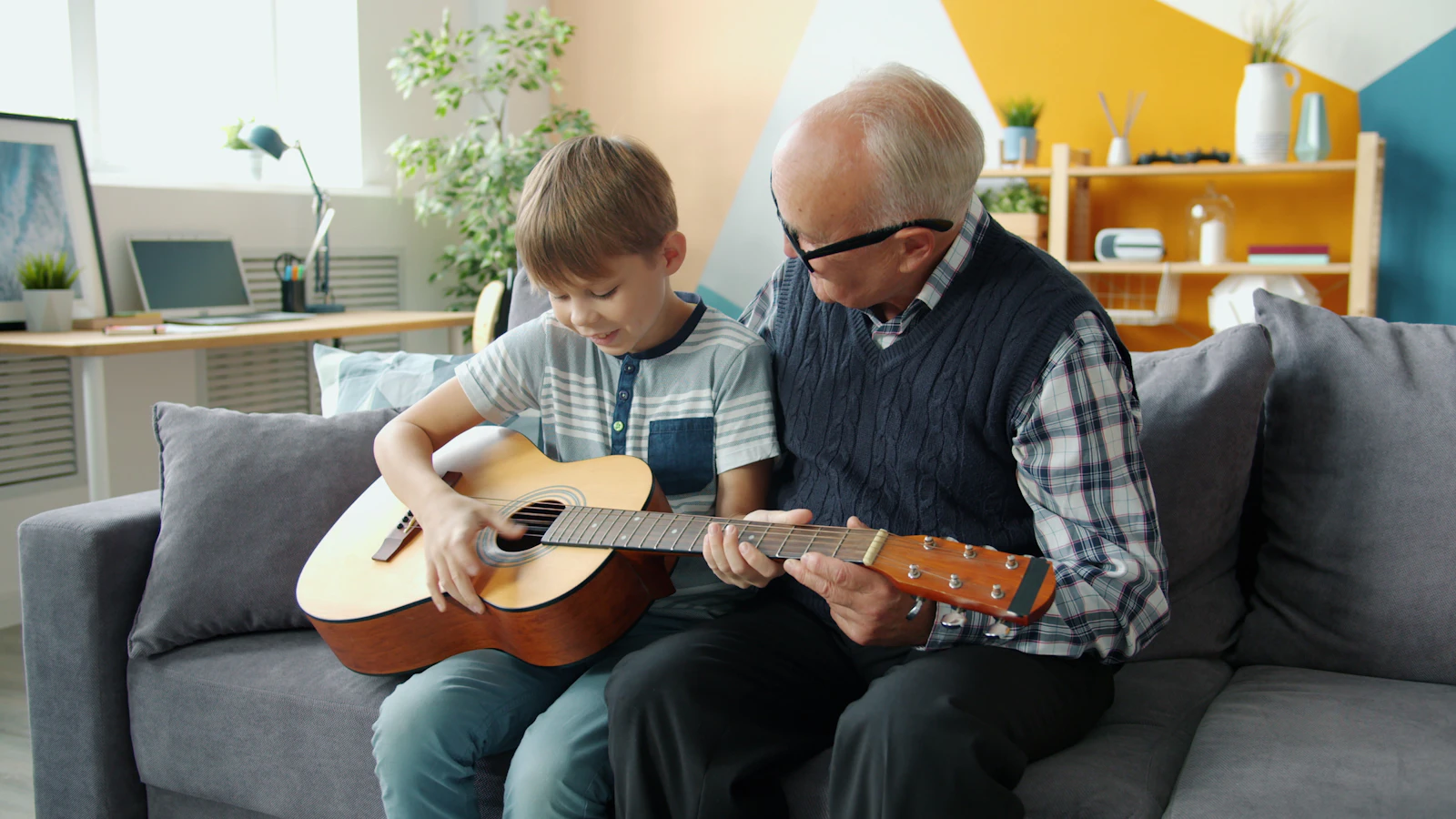
Short answer: no, it is not too late. If you have been meaning to start piano, guitar, drum or voice lessons since September and the school year got away from you, October is still a great time to begin. Private music lessons do not run on a rigid class calendar, so there is no group to join late and nothing to catch up on. You start at your own level, with your own teacher, at a weekly time that works for your family.
Here is what to know if you are weighing up whether to start now or wait until the new year.
Is it too late to start music lessons in the middle of the school year?
No. Every lesson at Leaside Music School is one-on-one, so your first lesson is simply lesson one. Your teacher builds the plan around where you are today, whether that is never having touched an instrument or returning to music after twenty years away. Nobody is ahead of you, and nobody is waiting for you to catch up.
Our teaching year runs from September through June, with flexible scheduling over the summer. Starting in October still gives you eight or nine months of weekly lessons, which is plenty of time to go from your first notes to playing songs you are proud of.
Why can October be a better time to start than September?
September is crowded. New classes, new teachers, new sports schedules and a fresh round of after-school activities all compete for the same evenings. By October most families have settled into their routine, which makes it much easier to protect a weekly lesson time and to build a steady practice habit.
Starting now also gives a new student several weeks to find their footing before the busy stretch around the holidays. Waiting until January can easily turn into waiting until spring, and the months you skip are months of progress you do not get back.
What do the first few weeks of lessons look like?
It starts with a free trial lesson. You meet a teacher, see the studio at 214 Laird Drive and try the instrument, with no pressure and no commitment. If it feels right, you choose a weekly time and your teacher gets to work.
In the first month most beginners learn how to sit, hold and set up their instrument, a handful of foundational skills, and a first simple piece or song. Ten to fifteen minutes a day is plenty to see progress early on. If you are a parent helping a young student, our guide to helping your child practice music at home without turning it into a fight has simple routines that work.
Which instrument should I start with?
Pick the one you keep wanting to play. Motivation matters more than any "easiest instrument" ranking. If you are undecided, here is a quick guide:
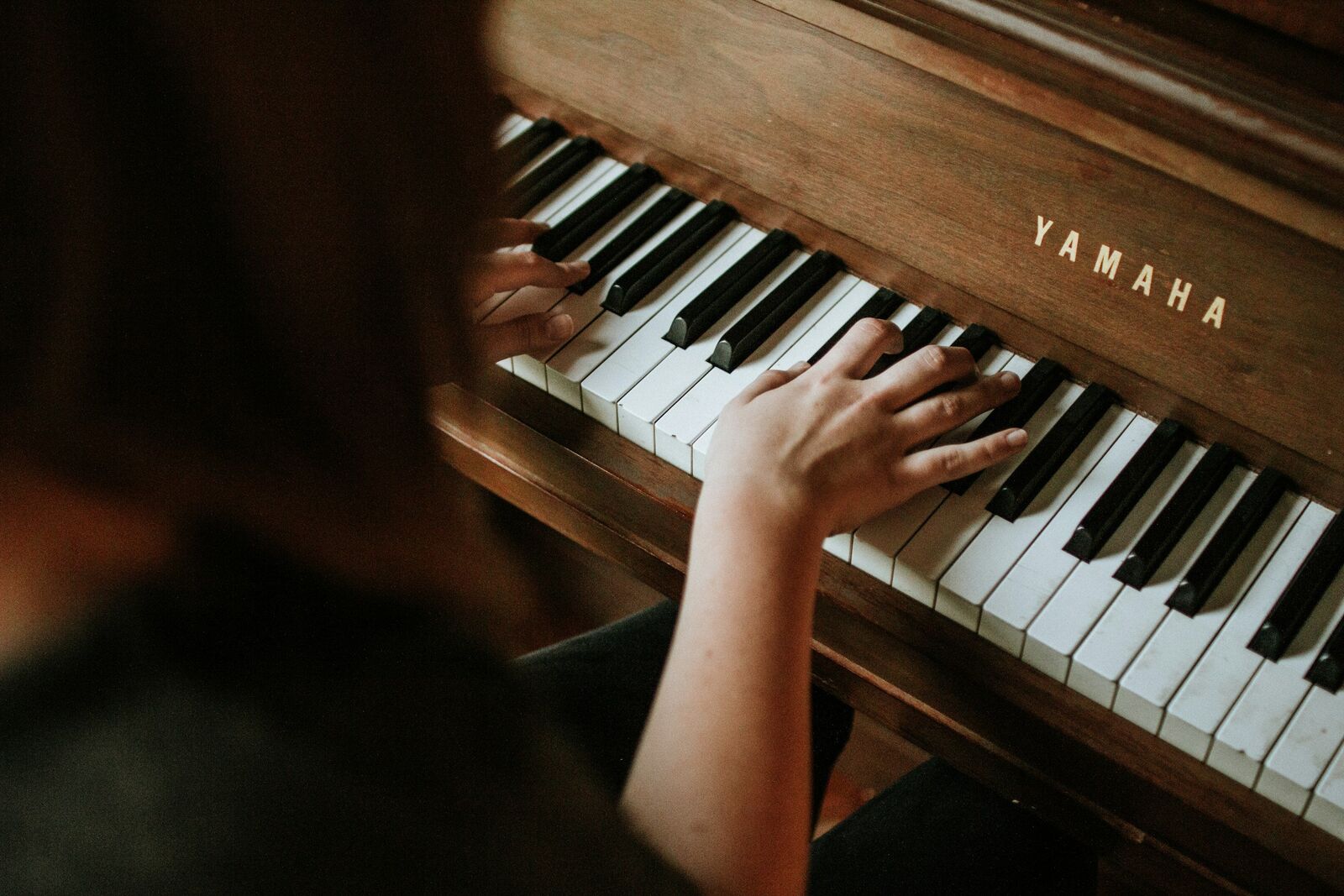
- Piano is a clear, visual way to learn how music works, and it suits every age. See our piano lessons, and our guide on whether you need a piano at home.
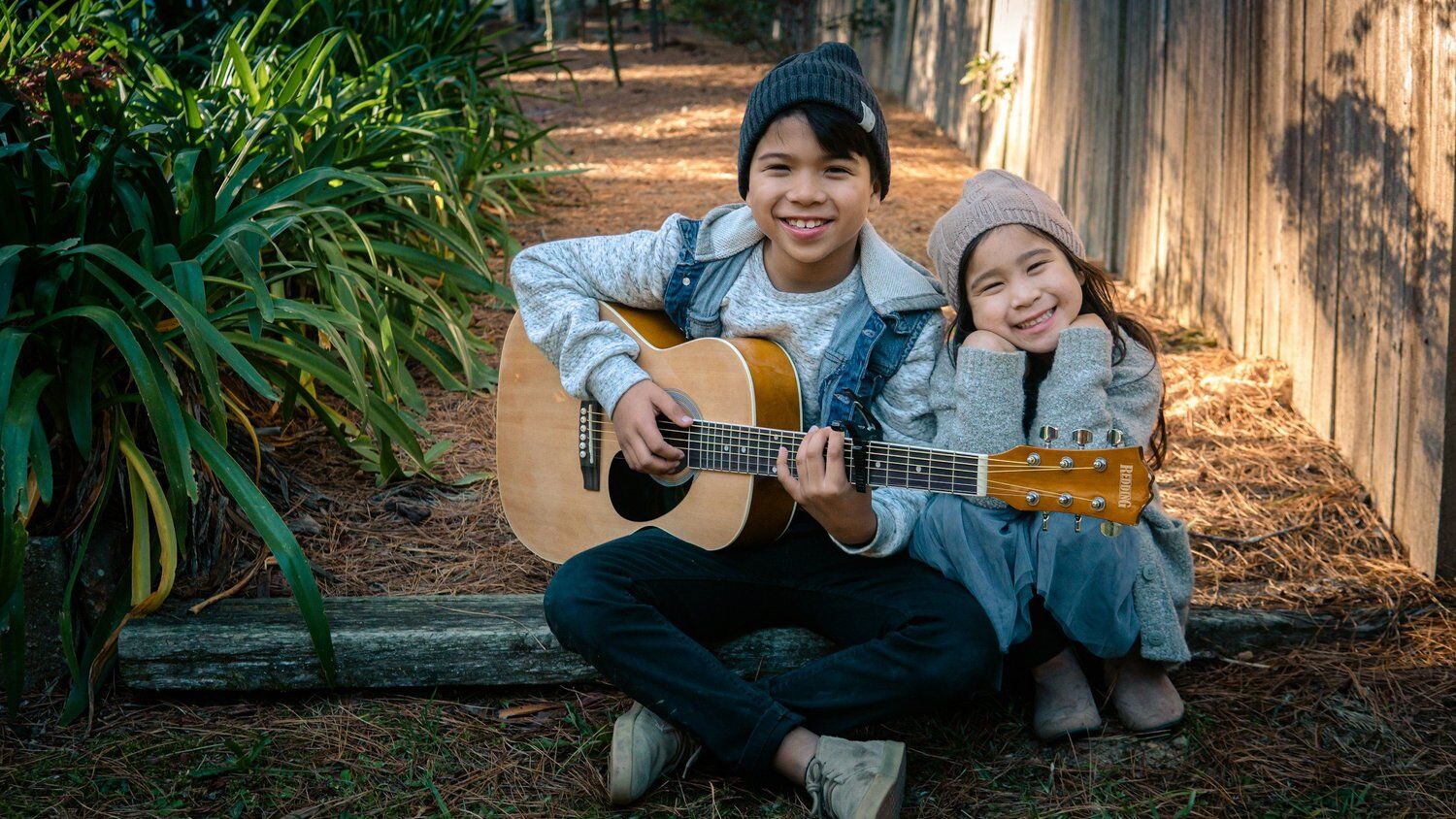
- Guitar and bass are ideal if you want to play along with the songs you already love. See our guitar and bass lessons.
- Drums are great for energetic kids and for anyone who wants to learn rhythm from the ground up. See our drum lessons.
- Voice builds breath, tone and confidence, and pairs well with any other instrument. See our voice lessons.
Still not sure? Our beginner's guide to choosing an instrument walks through the decision, and many of our students try a second instrument later on.
Do I need to own an instrument before my first lesson?
No. You can book a free trial lesson first, and your teacher will help you decide what to get. Once you carry on, you will want an instrument at home to practice on. A digital keyboard works well for piano, a small acoustic guitar is great for beginner guitarists, and a beginner drum set suits drummers. You can even rent a drum set directly from us, and an electronic drum kit is a good option if noise is a concern. Our post on renting versus buying a first instrument covers the trade-offs.
Is my child old enough, or am I too old to start?
Neither. We teach students from age four to eighty. Younger students, around ages five to eight, usually do best with 30-minute lessons, while 45 minutes suits most students from age nine through adult. Adults are very welcome, and we are open until 10:00pm Monday to Friday, so evening lessons after work are easy to fit in.
If you have been wondering whether you have missed your window, read can I start learning music at 40? For parents, the best age to start private music lessons in Toronto covers what to expect at each stage.
How much do music lessons cost if I start mid-year?
The same as at any other time of year. There is no term fee for the months you have missed. Lessons are billed in four-lesson cycles at these rates:
- 30-minute lessons: $40 per lesson ($160 per cycle)
- 45-minute lessons: $55 per lesson ($220 per cycle)
- 60-minute lessons: $70 per lesson ($280 per cycle)
There are no registration or administration fees, and music lessons are not subject to tax. The trial lesson is free, so you can try it before you enrol. Full details are on our prices page.
How do I get started this week?
- Book a free trial lesson. Call us at 416 483 9117 or send a message through our contact page.
- Tell us what works. Let us know the instrument, the student's age, and the days and times that suit you. Weekday slots between 3:30pm and 6:30pm tend to fill first, so the sooner you reach out, the better your choice of times. We are open Monday to Friday from noon to 10:00pm and on weekends from 10:00am to 6:00pm.
- Meet your teacher. Our studio is at 214 Laird Drive, 2nd Floor, in East York, a few minutes' walk from Bayview and Eglinton, with parking on Laird and nearby side streets. Online lessons are also available when getting to the studio is difficult.
The best time to start music lessons is whenever you are ready, and for most people that is simply this week. If you are in Leaside, East York or anywhere in Toronto and have been wondering about lessons, we would love to hear from you.