Singing Lessons for Beginners: Kids (5–10) and Adults
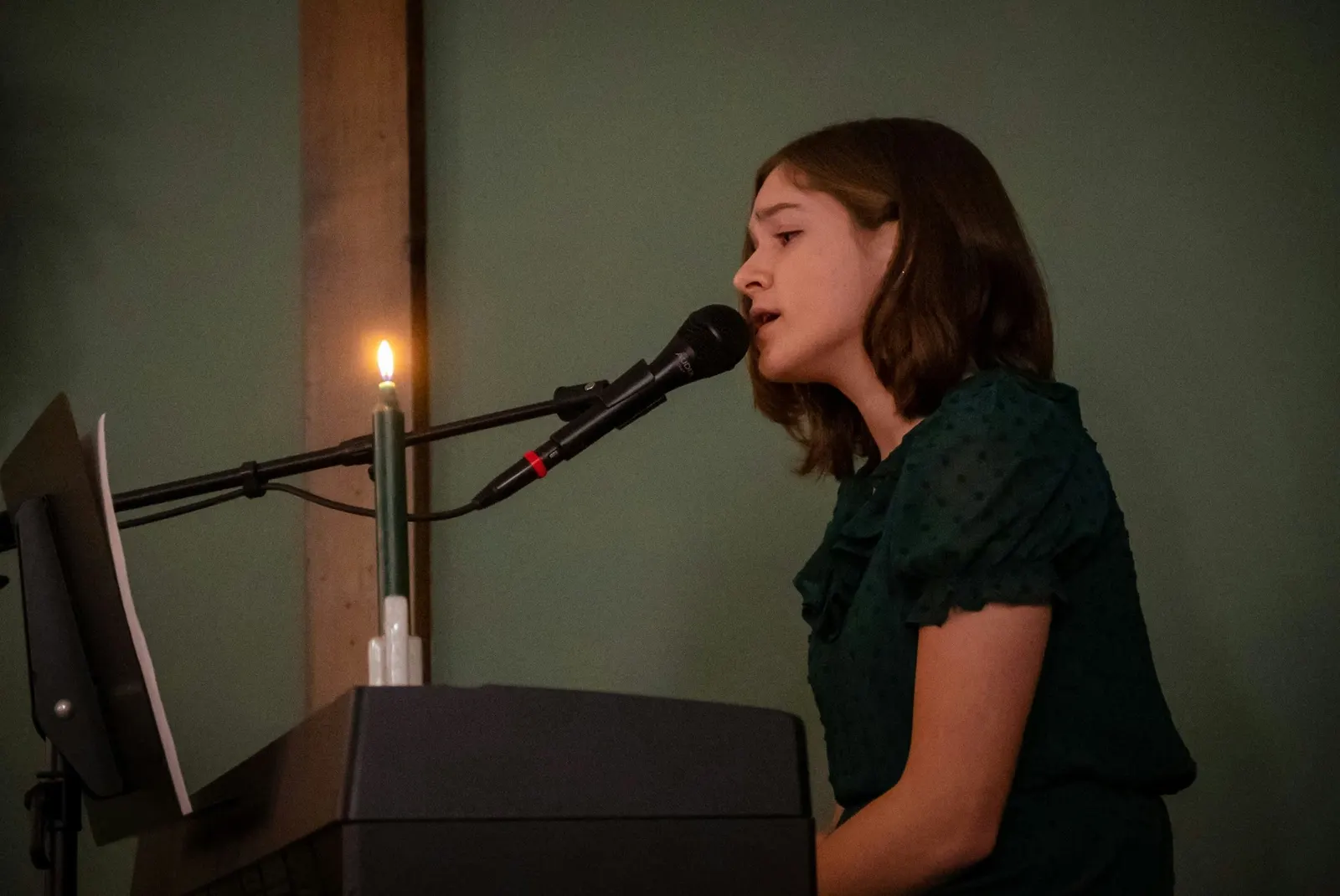
It's never too early, and it's never too late. Some of the people who walk through our door at 214 Laird Drive are six years old and still working out where their breath goes. Others are sixty-five and haven't sung out loud since high school. Both are exactly the right people to start singing lessons.
Here is what to expect, whichever group you are in.
Is my child ready for singing lessons?
If your 5-to-10-year-old sings in the car, in the bath or to the cat, they are probably ready. You don't need to hear perfect pitch first. Pitch is something a teacher helps a child find, and it improves quickly with a little guidance.
These are the signs that usually mean a child is ready:
- They sing or hum on their own, without being asked.
- They can follow a short, simple instruction ("breathe in, now sing it softly").
- They can focus on a fun activity for about 20 to 30 minutes.
- They ask to learn a song they love.
If your child is shy, that's fine too. Singing is one of the best ways to build confidence, and a patient teacher makes it feel like play.
What a first lesson looks like (ages 5 to 10). Expect something short, friendly and lively. The teacher chats with your child, tries a few easy warm-ups (sirens, animal sounds, copying little tunes) and listens to how they sing. Then they pick a simple song your child already knows and work on it together. Younger children, around 5 to 8, usually do best with 30-minute lessons. You leave with an honest, professional opinion of your child's voice and what a good next step might be.
Voice, piano or guitar first?
Parents ask us this more than anything else, and the honest answer is: start with what your child keeps reaching for.
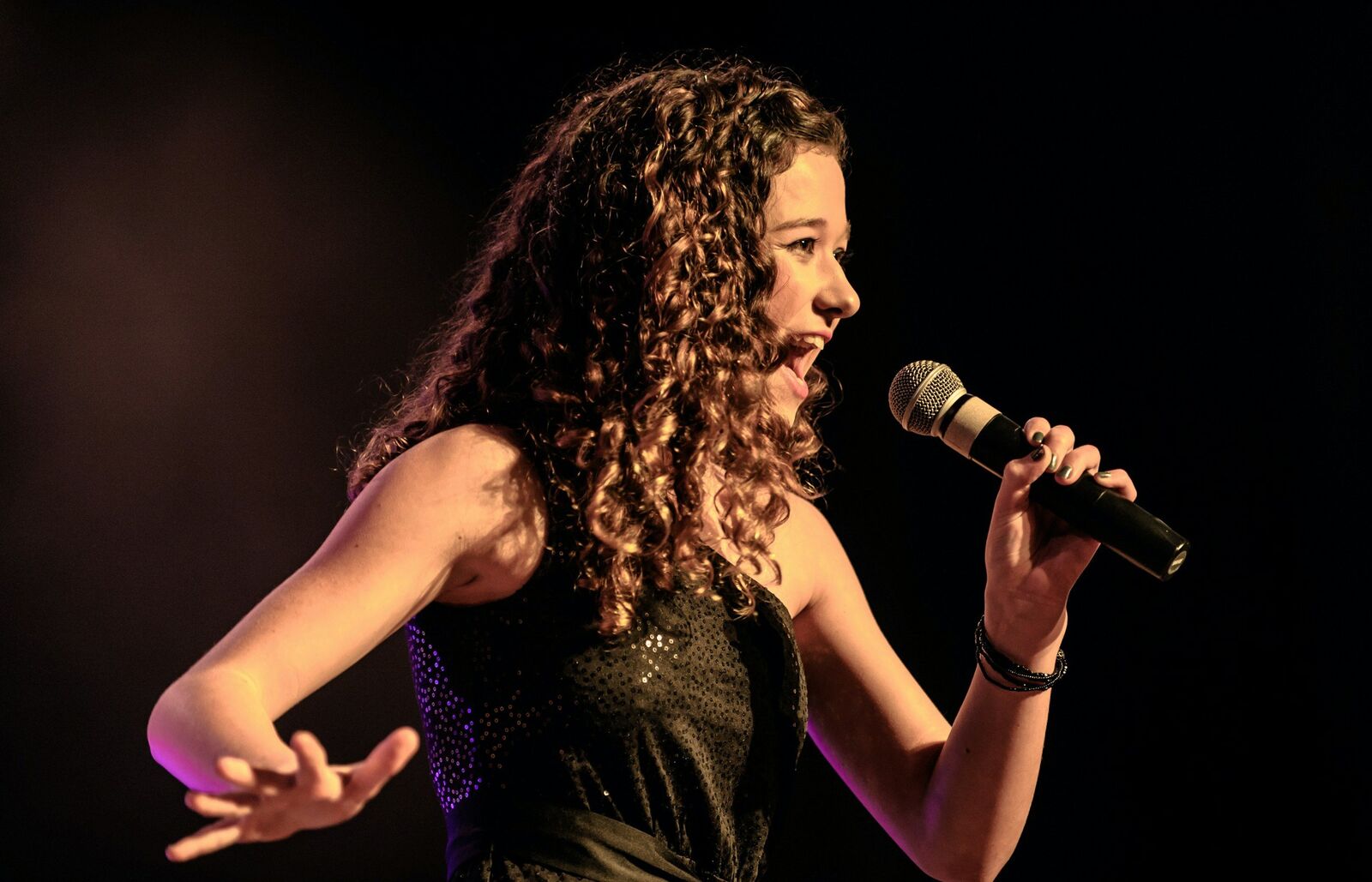
- Voice is a great first choice for a child who loves to sing. It needs no instrument, it builds listening skills and breath control, and it makes every other instrument easier later.
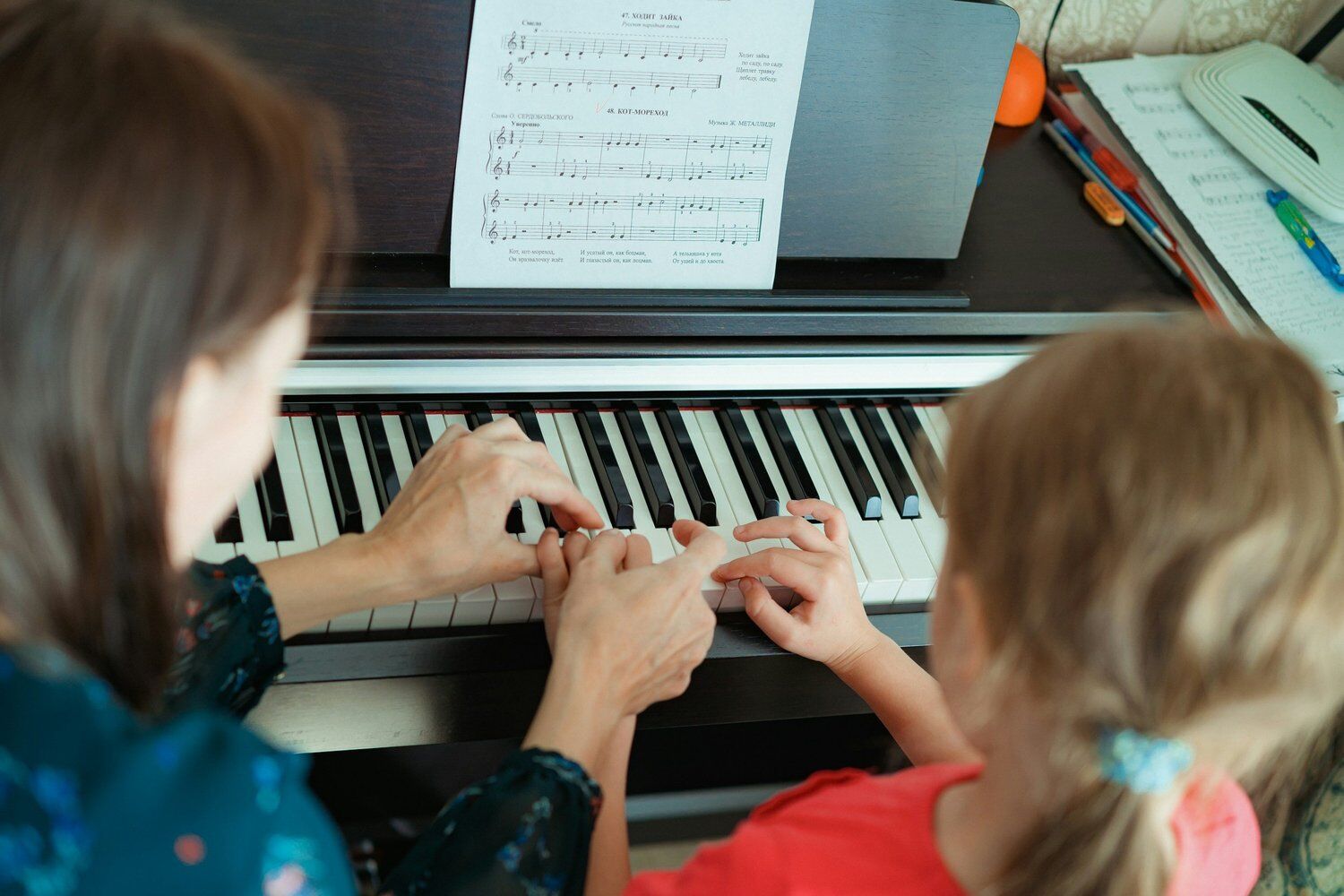
- Piano is the best choice if your child enjoys seeing how music fits together. The notes are laid out in front of them, and it's the easiest way to learn what a tune actually does.
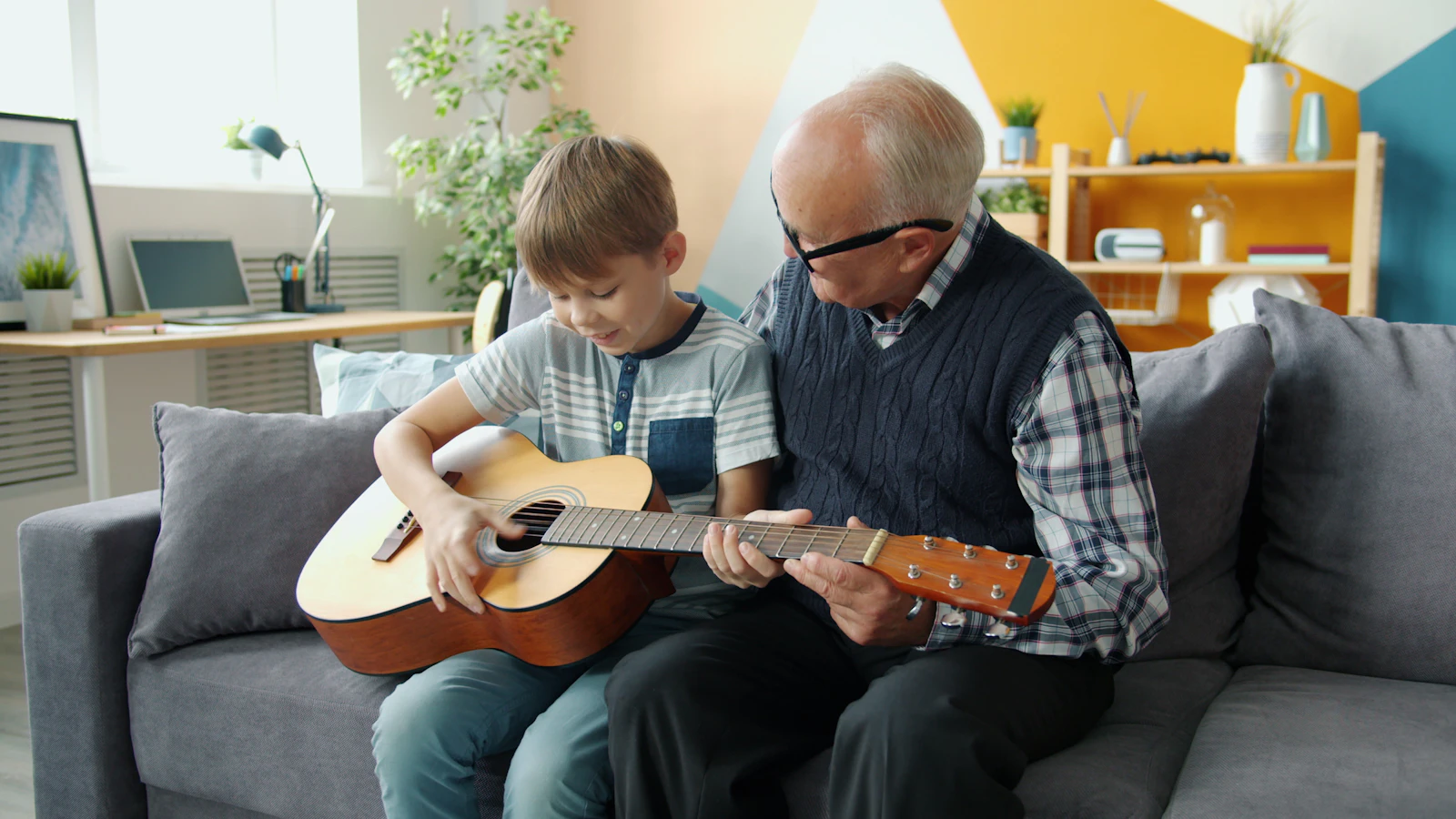
- Guitar suits a child who wants to play songs and sing along, though small hands can find it tough before about age 7 or 8.
Voice and piano work especially well as a pair. Piano shows a child where the notes are, and singing teaches them how those notes feel. Many of our younger students start with one and add the other within a year. Our guide to choosing a first instrument goes deeper, and you can always meet a teacher and decide together. If you'd like to compare, see our piano lessons and guitar lessons pages.
Singing lessons for adult beginners and returning singers
If you're in your 30s, 50s or 70s and wondering whether you've missed your chance, you haven't. Adults are some of the most rewarding students to teach, because they know exactly why they're here: to sing at a family gathering, to be more confident at church, to join a choir, or just because they've always wanted to.
The worries we hear most, and what we do about them:
- "I can't carry a tune." Most people can, with training. Pitch is a skill, not a gift. We start with simple exercises that train your ear and voice to match.
- "I haven't sung in years." Perfect. Your voice is still there. We begin gently, rebuild your breath and tone, and build from the songs you love.
- "I'm too old, or not talented enough." Neither is a requirement. You need curiosity and a willingness to try. Your teacher meets you where you are.
- "I'll be embarrassed." Lessons are one-on-one. Nobody is listening but your teacher, and your teacher has heard every nervous first note there is.
If you play guitar and want to sing while you play, voice lessons help in a very practical way. You learn to breathe for singing, to pick a comfortable key and to keep your hands and voice working together, which is the hard part. You can also bring your own songs. If you'd like to join a choir, we can prepare you with warm-ups, reading simple parts and building the confidence to stand in a group. Our post can I start learning music at 40? is a good read if you're still on the fence.
Quick answers
What does an intro lesson involve? A friendly conversation about your goals, some gentle warm-ups and a song. There's no test and no pressure, and your first lesson is a free trial. You'll leave with a clear idea of what to work on first.
How do I know which instrument is right? Go with the one you keep thinking about. If you're unsure, ask us. Our teachers will help you choose at your intro lesson.
Do we need our own instrument? Not for voice. For piano, a basic digital keyboard is enough to begin. For guitar, you'll want a beginner guitar at home after your first few lessons.
How often should we practice? Ten to fifteen minutes most days is plenty for a child or a beginner adult. Little and often works better than one long session.
How much does it cost, and when are lessons available? Lessons are $40 for 30 minutes, $55 for 45 minutes and $70 for 60 minutes, billed in four-lesson cycles. There are no registration or administration fees, and music lessons are not subject to tax (see our prices page). We are open Monday to Friday from noon to 10:00pm and on weekends from 10:00am to 6:00pm. Evening slots after school and work are popular, so the sooner you reach out, the better your choice of times.
How do I book? Use the form on our website or call us. Details are just below.
Book a free intro lesson
Whether you're a parent wondering if your child is ready, or an adult who's been meaning to try for years, the easiest way to find out is to come and sing. We've been helping people of all ages find their voice since 1965.
Book your intro lesson through the form on leasidemusicschool.com or call us at 416 483 9117. We're at 214 Laird Dr., 2nd Floor, East York, Toronto, a few minutes' walk from Bayview and Eglinton. To learn more about our teachers, see our voice lessons page.