How Long Does It Take to Learn Piano? A Realistic Timeline
Almost everyone who thinks about learning piano asks the same thing: how long will it take? The honest answer is that it depends on what you mean by "learn." Most beginners are playing a simple tune within a few weeks, and comfortable with beginner pieces within a year. Playing the music you dream about takes longer, and it is worth knowing what to expect before you start.
Here is a realistic timeline, what changes it and how to make steady progress, whether you are a child starting at 6 or an adult starting at 60.
A realistic piano learning timeline
Every student is different, so treat these as ranges rather than deadlines. They assume weekly lessons and regular practice.
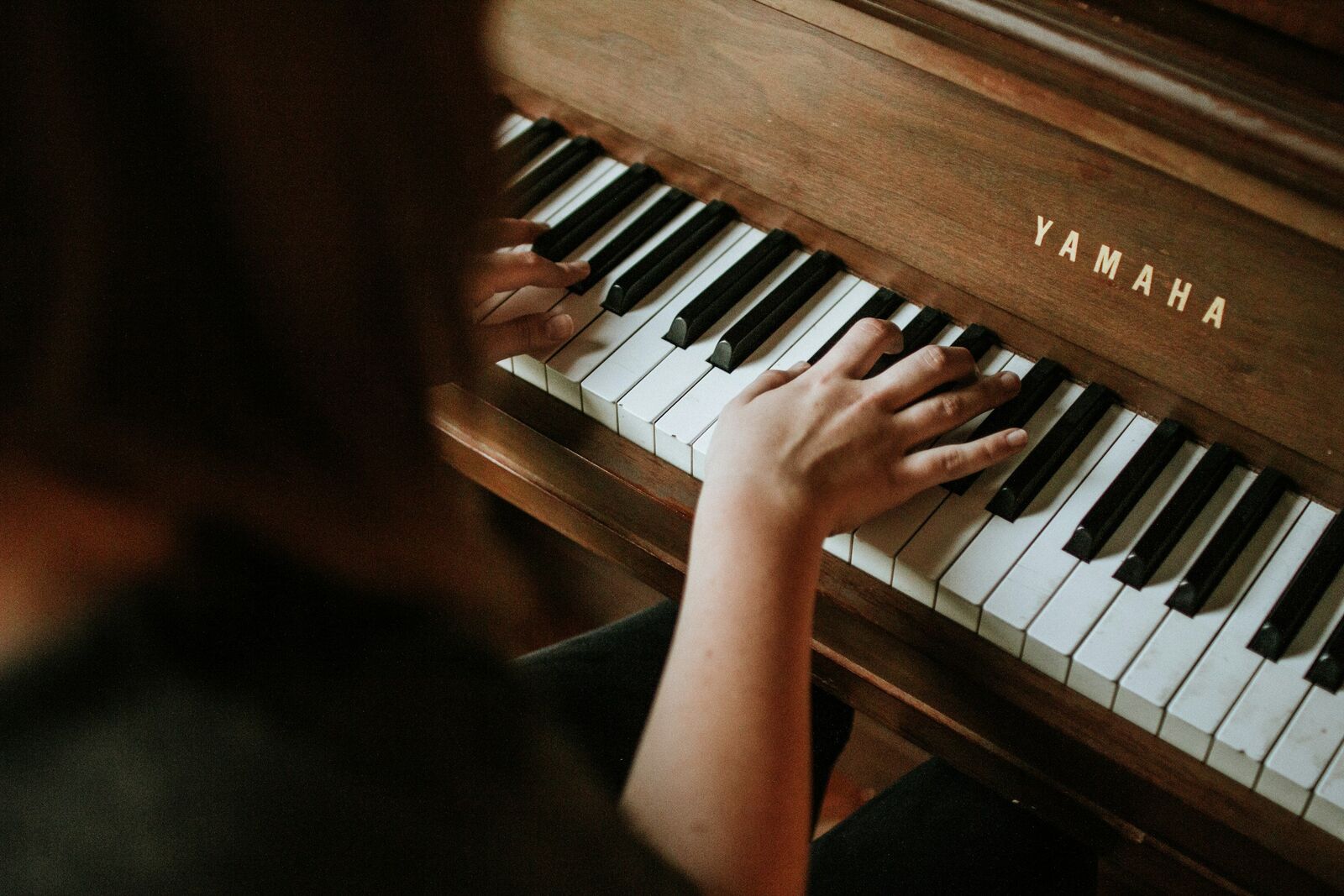
- The first few weeks: you find your way around the keyboard, learn a handful of notes and play a short melody, often with one hand at a time.
- 1 to 3 months: you start reading simple notation, play with both hands together and learn your first complete, simple pieces.
- 6 to 12 months: you read more fluently, keep a steady pulse and play beginner repertoire with confidence. Many students can play songs they recognize by this point.
- 1 to 3 years: you move into intermediate pieces, with more expression, better technique and more independence.
- 3 to 5 years and beyond: you tackle advanced music. Some students work through the Royal Conservatory levels during this stage, and others focus on jazz, pop or playing by ear.
Reaching a high level is a matter of years, not months, and that is part of the pleasure. Progress comes in steps, and the early ones come quickly.
What affects how fast you learn?
Four things matter far more than natural talent.
- Practice habits. Short, regular practice beats long, occasional sessions. Ten to fifteen minutes most days is a good start for a beginner, and it can grow to 20 to 30 minutes as pieces get harder. If you are a parent, our guide to helping your child practice without a fight has simple routines that work.
- A good teacher. A teacher spots small problems early, chooses music at the right level and keeps you motivated. That saves months of trial and error.
- An instrument at home. You need something to practice on between lessons. A weighted digital piano is a good start, and our post on whether you need a piano at home explains what to look for.
- Your goals. Playing pop songs from chord charts is a quicker route than preparing classical exam repertoire, and neither is better. The path just looks different.
Wondering how many years of lessons make sense overall? Our post on how many years of piano lessons you need looks at the longer view, and our guitar equivalent, how long does it take to learn guitar?, covers the same question for guitarists.
Kids and adults: how the timeline differs
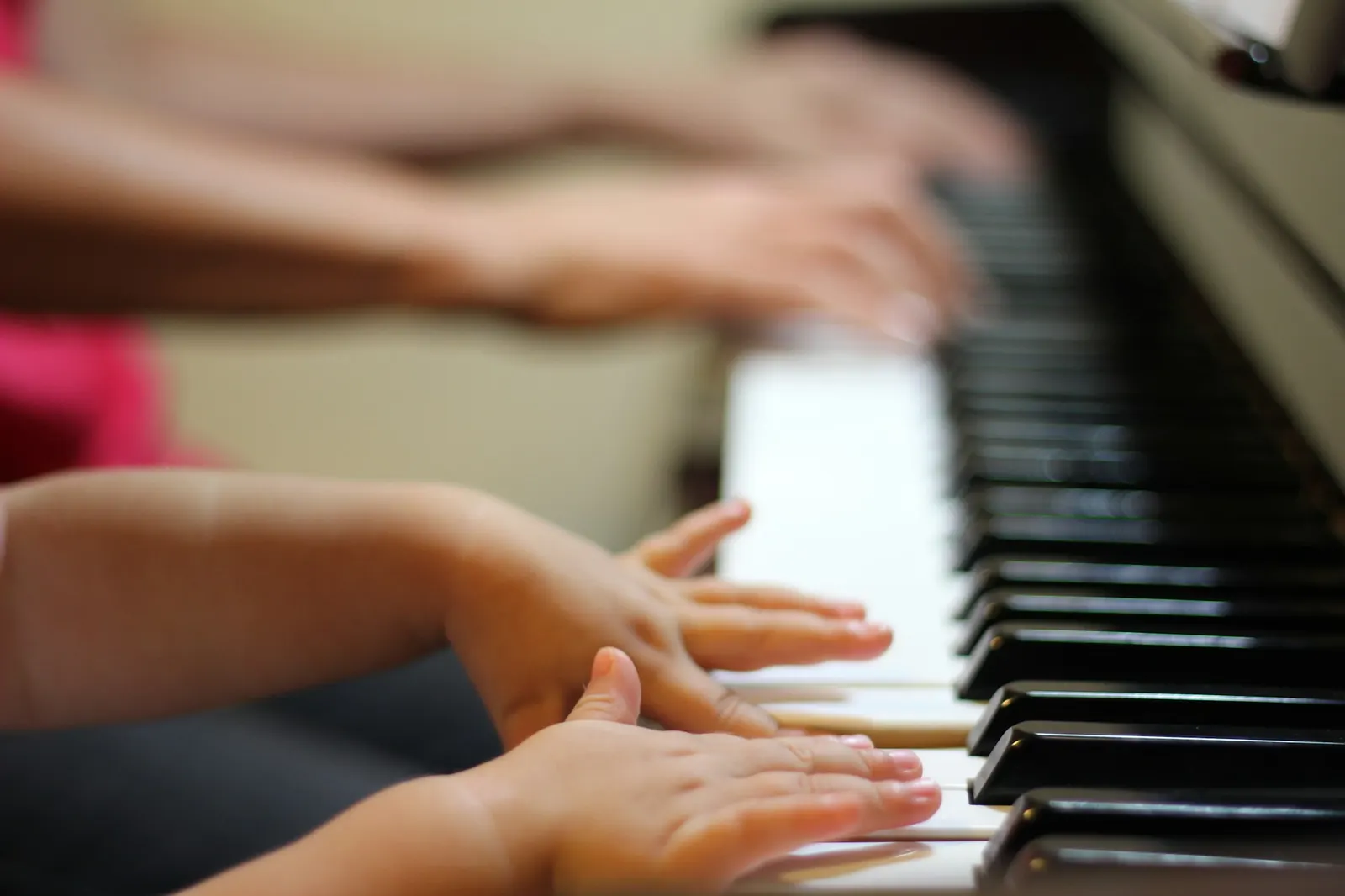
Children often start between 5 and 8. They tend to pick up coordination and sight-reading naturally, but they need shorter lessons (30 minutes is common at this age) and a parent who helps with routine. Progress can look slow at first, then jump when reading clicks. Our guide to the best age to start lessons goes deeper.
Adults usually learn faster in the early stages, because they understand instructions, can focus for longer and know why they are practicing. What adults lack is time, so the key is a realistic plan: 15 focused minutes a day is far better than an hour once a week. If you are worried you are too old, read can I start learning music at 40? and our tips for learning piano as an adult.
Piano programs at Leaside Music School
Our piano lessons follow one of three programs:
- Modern program: pop, contemporary and jazz, with chord work, improvisation and playing by ear alongside reading and technique. See jazz piano lessons if that appeals.
- Royal Conservatory: full RCM exam preparation from preparatory level through ARCT, with a classical specialist, Lili Khachatryan, on faculty. Our family guide to RCM exams explains how it works.
- Hybrid: a structured technical foundation with room for your own music each week.
Our piano teachers include Martin Aucoin, Lili Khachatryan, Polina Melamed and Melissa Paju. Full details are on our piano lessons page.
How to make progress without burning out
- Set one small goal at a time. "Play this song hands together by Sunday" beats "get good at piano."
- Practice slowly. Slow, accurate playing builds speed faster than rushing.
- Play music you love. A piece you care about gets practiced without being asked.
- Keep going when it plateaus. Everyone hits flat stretches. They usually come right before a jump.
Ready to start?
The best way to find out how quickly you will progress is to try. Book a free trial lesson, meet a teacher and play a few notes. There is no commitment, and your teacher will help you set a realistic plan.
Call us at 416 483 9117 or send a message through our contact page. We are at 214 Laird Drive, 2nd Floor, in East York, a few minutes' walk from Bayview and Eglinton, and lessons are billed at $40, $55 or $70 for 30, 45 or 60 minutes (see our prices page). We have been teaching piano in Toronto since 1965.